
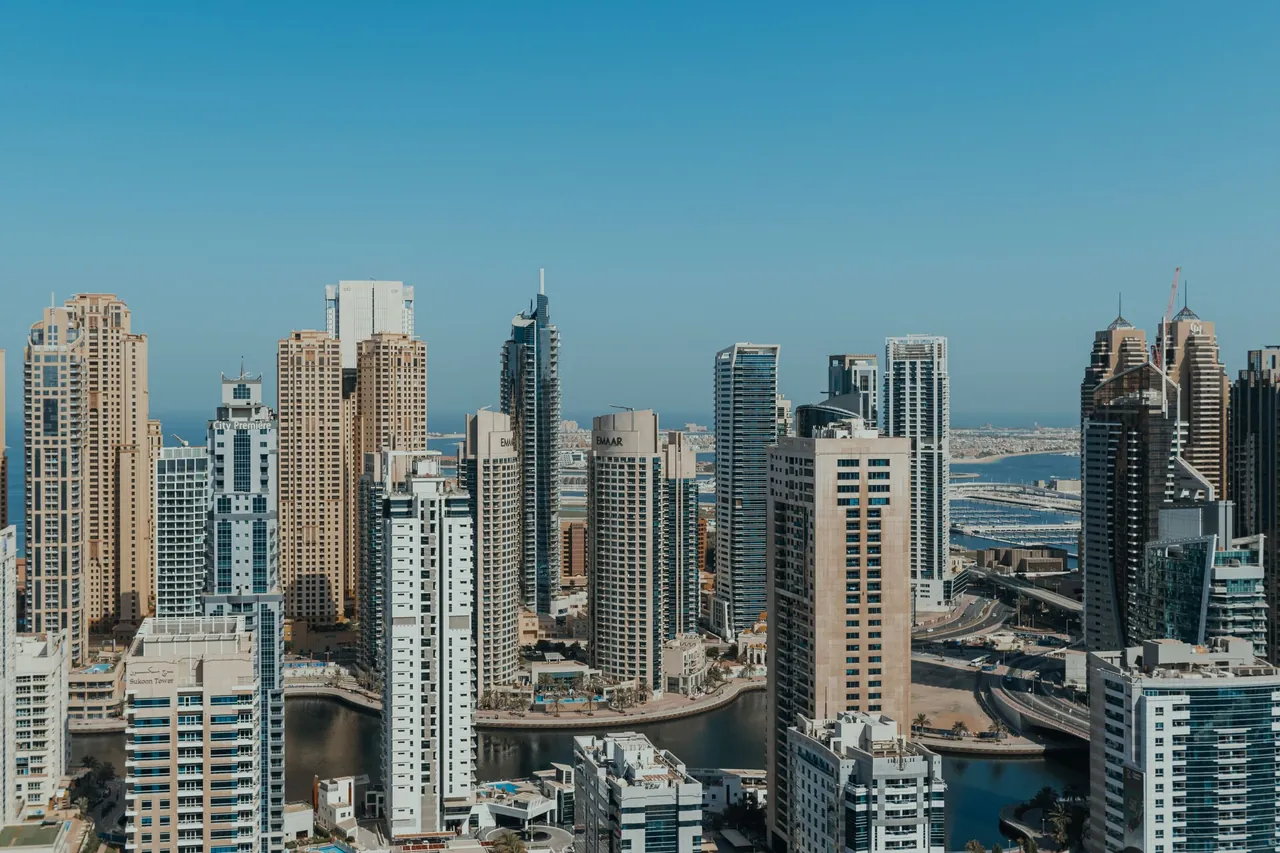
Thinking of starting a business in Dubai in 2025? You’re making a smart move. With full foreign ownership, zero personal tax, and global market access, Dubai is one of the top business destinations in the world. But how do you get started, and avoid delays or mistakes? This step-by-step guide will walk you through everything: choosing your company type, registering your business, understanding visa rules, and managing taxes.
Choose Your Business Jurisdiction: Mainland, Free Zone or Offshore
Your first step is to decide where to set up:
- Mainland: Lets you do business anywhere in the UAE and internationally. You can now own 100% of the company in most sectors. Learn more: u.ae/business
- Free Zone: Offers 100% ownership, zero customs duty, and usually tax-free operations, but business is limited within the free zone unless you partner with a distributor. Explore top free zones: IFZA, RAKEZ
- Offshore: Used for international trade or holding assets. No visa or physical office needed, but you can’t do business within the UAE market. Learn more: RAK ICC
Select Your Business Activity and Legal Structure
Dubai offers over 2,000 licensed business activities, from general trading and consulting to tech, logistics, media, and more. Based on your activity, you must choose a legal structure:
- LLC (Limited Liability Company)
- Sole Proprietorship
- Civil Company
- Branch of a Foreign Company
- Free Zone Establishment or Company
You can check approved activities on the Dubai Economy website: DED Activity List
Reserve Your Trade Name and Get Initial Approval
Next, choose a business name that matches your activity and follows UAE rules (no offensive or religious words, no abbreviations, must not duplicate existing names). Then apply for initial approval, a no-objection certificate from DED or the free zone authority. Trade name registration: DED Portal
Secure a Business Location or Virtual Office
Mainland businesses require a physical office with a tenancy contract (Ejari). Free zones often offer co-working spaces or virtual offices, which reduce your costs. Office requirements may depend on your chosen activity. Some approvals may be needed from government departments like Dubai Municipality, Ministry of Health, or Telecommunications Authority, especially for regulated sectors.
Submit Documents and Pay Setup Fees
Typical documents include:
- Passport copies of shareholders and manager
- Passport-size photos
- Entry stamp or UAE visa copy
- Initial approval certificate
- Trade name certificate
- Tenancy contract (Ejari)
- MOA (Memorandum of Association)
- Business plan (in some free zones)
Setup costs vary by location and business type:
- Free Zone packages: Starting from AED 5,000 – AED 15,000
- Mainland setup: AED 15,000 – AED 50,000
- Offshore: AED 10,000 – AED 30,000
Some free zones offer full packages including license, visa, and flexi-desk, ideal for startups.
Apply for UAE Residence Visa (Investor or Partner)
Once your trade license is issued, you can apply for an investor or partner visa under your company. This includes:
- Entry permit
- Medical test
- Emirates ID application
- Visa stamping on passport
You can also sponsor your family members and employees under your business license.
Explore Long-Term Visa Options
Green Visa (5 Years)
Ideal for self-employed individuals and investors. No local sponsor needed. Requirements include financial proof and business registration. Details: Green Visa – u.ae
Golden Visa (10 Years)
Designed for investors, entrepreneurs, high-earning professionals, and property buyers (minimum AED 2 million investment). Full info: Golden Visa – u.ae
Understand UAE Taxation in 2025
- Corporate Tax: 9% on annual net profits above AED 375,000. Small business relief is available.
- VAT: 5% VAT applies to businesses exceeding AED 375,000 in annual revenue. Voluntary registration is possible from AED 187,500.
You can check tax details on these official websites: UAE Ministry of Finance UAE Federal Tax Authority
Register With MOHRE and Hire Staff
To employ staff, register with the Ministry of Human Resources and Emiratisation (MOHRE). You’ll need to:
- Issue labour contracts
- Register in the Wage Protection System (WPS)
- Provide health insurance
- Follow all updated labour laws
For latest rules and Emiratisation targets, visit: MOHRE Official Website
Open a Corporate Bank Account
After your license and visa are approved, you can open a UAE business bank account. Each bank has its own requirements, but typically you need:
- Trade license copy
- MOA
- Passport and Emirates ID copies
- Residence visa
- Office tenancy contract
Major banks include Emirates NBD, ADCB, Mashreq, RAKBank, and international banks like HSBC and Standard Chartered. Official sources: UAE Government Portal
Frequently Asked Questions (FAQs)
How long does it take to set up a business in Dubai?
Free zone: 3 to 7 working days. Mainland: 1 to 3 weeks depending on activity and approvals.
Can a foreigner own 100% of a business in Dubai?
Yes. 100% foreign ownership is now allowed in most activities in both mainland and free zones.
What are the cheapest options to start a company in Dubai?
Free zone packages starting from AED 5,750 are available. Offshore setups are also low-cost but don’t allow residency.
Which visa should I apply for after starting a business?
You can apply for an Investor Visa, Green Visa, or Golden Visa, depending on your business model and investment.
Do I need a local sponsor in 2025?
For most activities, no. But some strategic sectors still require a local service agent or UAE national partner.
Conclusion
Dubai makes business setup faster, easier, and more rewarding than ever in 2025. Whether you're a solo entrepreneur or launching a global brand, the UAE offers unmatched benefits, from tax savings to long-term visas. With expert help, you can register your company, get your visa, and start operating within days. Need help with company registration, visas, or document clearance? Contact our team today for a free consultation.